As the cost of living continues to rise, more people are experiencing food insecurity and feeling the strain.
Rent, food, transportation — the basics are becoming harder to afford. And while many are adjusting, others are being pushed further to the edge.
What we’re seeing more and more clearly is that food insecurity is not a personal failure. It’s the result of our systems that are failing.
If food is to be treated as a right, not a privilege, we have to address the root causes: inequity, poverty, and systems that fail to protect people when they need support most.
A COLLECTIVE VOICE FOR CHANGE
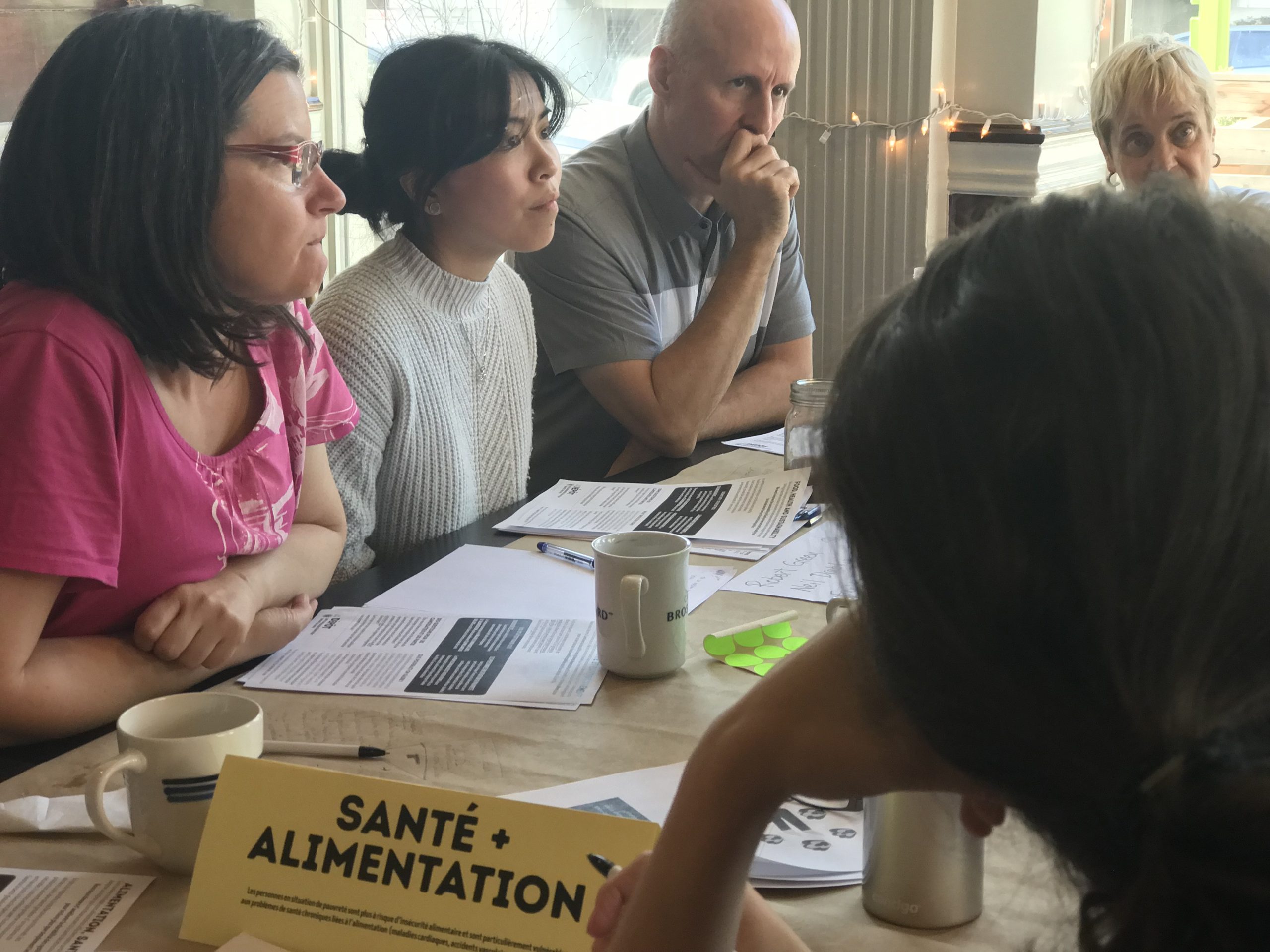
To push for systemic change, especially at the federal level, we know that we can’t act alone. That’s why we lead Quebec’s Regional Advocacy Network. This network unites organizations from across the province — including urban, rural, newcomer-serving, and BIPOC-led groups — all working toward a shared goal: advancing the right to food and reducing poverty.
One of the most powerful aspects of the Regional Network has been its ability to bring together lived realities from across the province and translate them into a collective voice for change.
“What one organization hears from their community is often echoed by others across the network. As experiences are shared, we begin to recognize common patterns and realize that many communities are facing similar challenges and barriers. Through this collective understanding, priorities become clearer and our advocacy becomes stronger. Rather than working in silos, we can use networks like this to align our messaging, coordinate our actions, and push for systemic change together. When hundreds of organizations express the same message across the country, the government listens.”
-Rachel Schleifer, Advocacy Coordinator
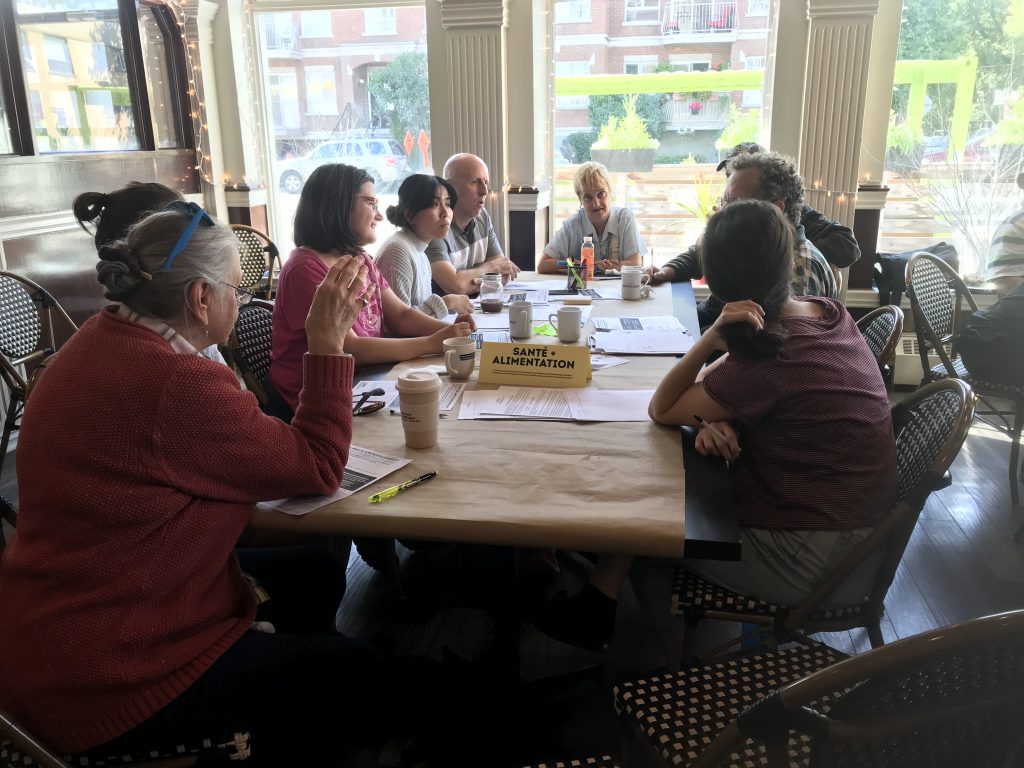
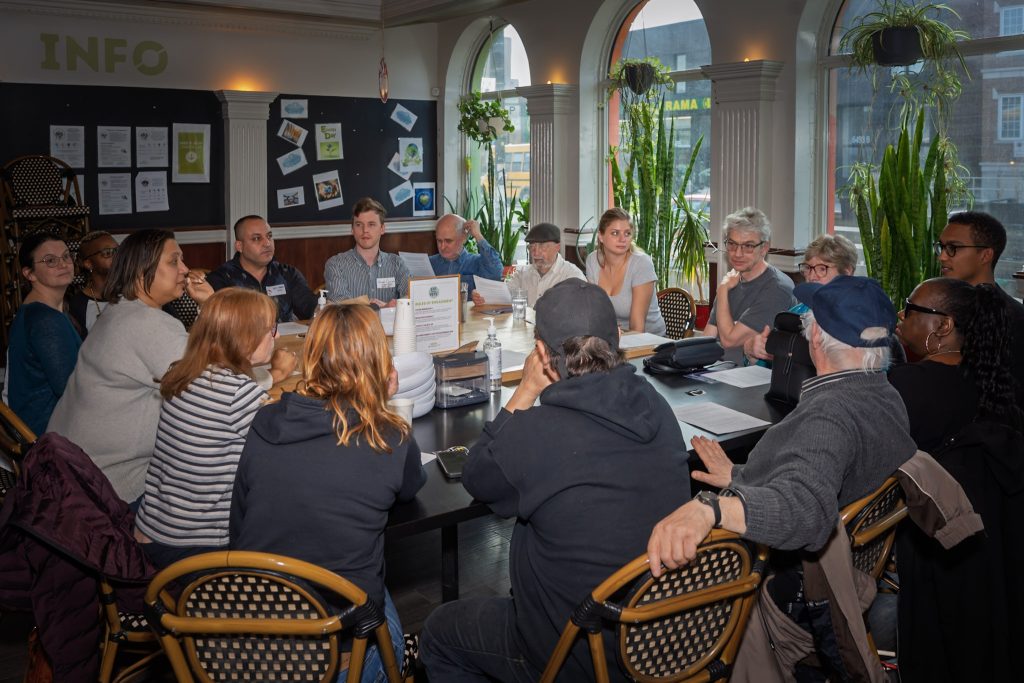
Today, the network includes 38 member organizations across Quebec, with regular meetings bringing together 15 to 20 partners at a time.
A SHARED VOICE CARRIES FURTHER
When multiple organizations speak with a shared voice, it carries further and is harder to ignore.
We saw this in action during the recent federal and municipal elections through the Eat Think Vote campaign. With microgrants provided by Right to Food, regional partners across Montreal organized local events that made space for community members to speak directly with candidates about food insecurity, poverty, and the right to food.
In Quebec, six community partners led Eat Think Vote events. Organizers shared tools, preparation strategies, and learnings, helping coordinate and strengthen advocacy efforts across communities.
This kind of collective advocacy helps build momentum for measures like the Canada Groceries and Essentials Benefit and the Canada Disability Benefit. While neither represents a complete or permanent solution, both reflect the impact sustained organizing can have when we push for change together.
CHANGE REQUIRES COLLECTIVE EFFORT
Food insecurity is complex, and the systems that cause it are deeply entrenched. Changing them will require persistence, coordination, and collective effort.
Advocacy work can often feel slow and difficult to measure, but the wins from the past year remind us that collective action matters — and that when communities organize together, change is possible.