Before there was a community meal, there was a steady rhythm to food bank days: baskets packed, groceries handed across tables, participants coming and going. The support mattered deeply, but the experience could feel brief and transactional.
What if the food bank could also be a place to gather? A place where, alongside a basket of groceries, people were welcomed with a warm meal, a cup of coffee, and somewhere to sit together for a while?
HUMBLE BEGINNINGS IN A CHURCH BASEMENT
In 2014, those questions led to the first version of the community meal, taking shape in a tiny kitchen in the basement of our then-home, Trinity Church on Marlowe Avenue.
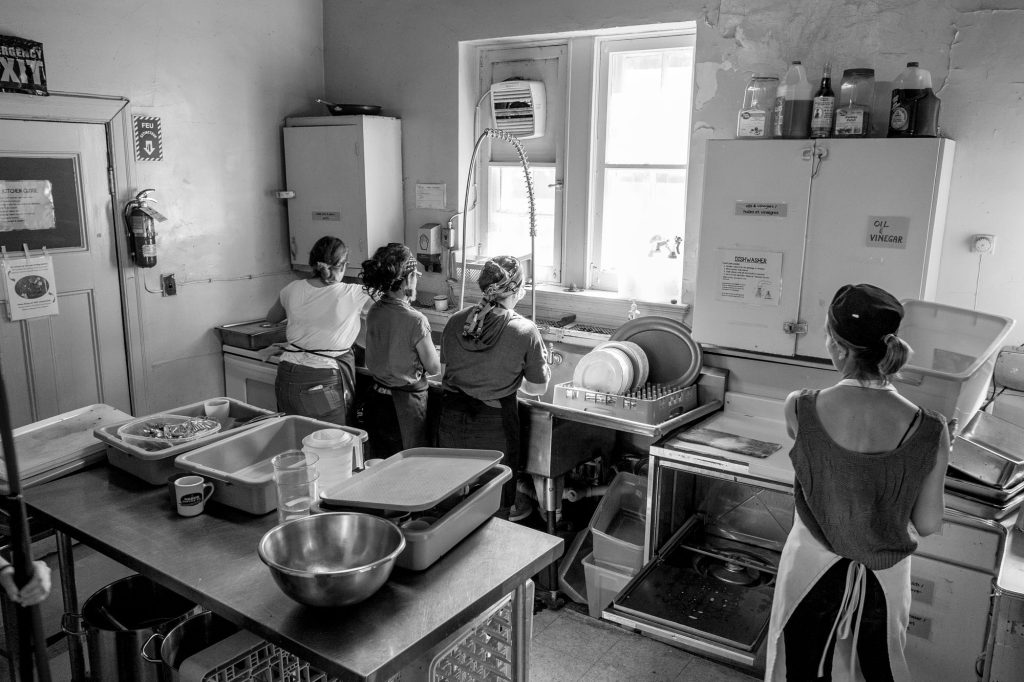
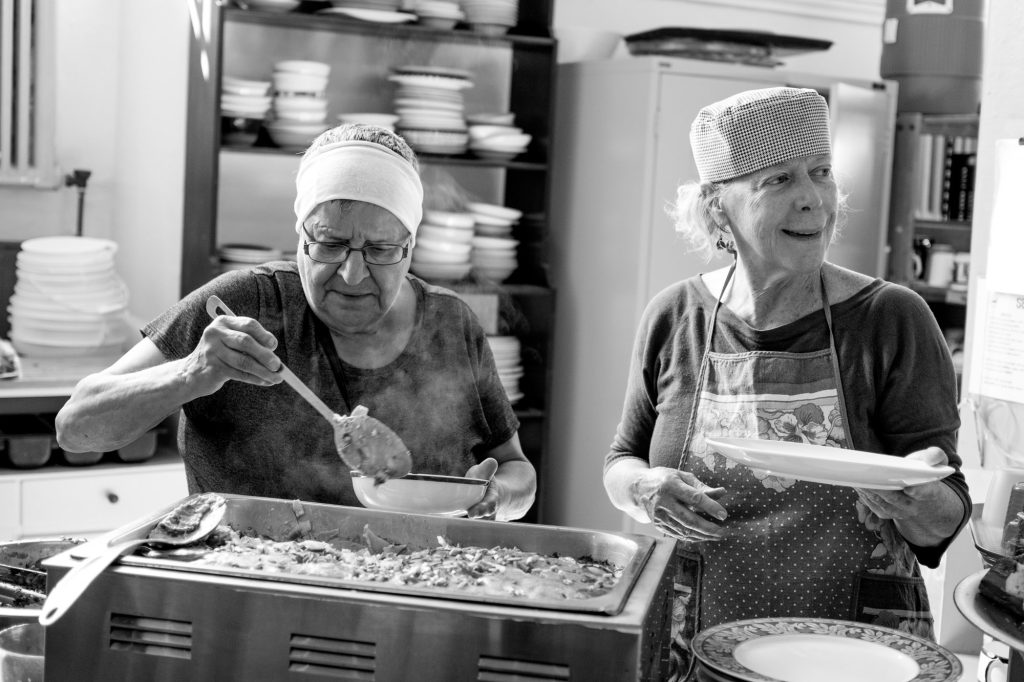
The setup was modest, to say the least. We had two residential electric stoves, no dishwasher, and a small sanitizer that took seven minutes to clean each rack of dishes. Volunteers squeezed around prep tables, donated ingredients arrived from Moisson Montréal, and meals came together one pot at a time.
And yet, magic happened there.
The early meal program was built through the care and creativity of volunteers. Dedicated volunteer Brian Lott helped get the program off the ground, preparing meals once a week using donated ingredients and turning them into nourishing dishes for the community. Soon after, we hired our first community chef, who worked alongside a small team of volunteers as the program grew to serve more than 100 meals every Tuesday and Friday during food bank hours.
A NEW HOME & NEW POSSIBILITIES
As the meal program continued to grow, the tiny church basement kitchen began to feel smaller and smaller.
Then, in 2017, everything changed. After suddenly losing access to the space, The Depot found a new home in the former Antico Martini building — a place already filled with memories for many NDG residents.
For the meal program, the move opened up entirely new possibilities. For the first time, we had a real restaurant kitchen. Industrial equipment. Natural light pouring through the windows. Space for volunteers and staff to work side by side. Long tables where people could settle in comfortably over a shared meal.
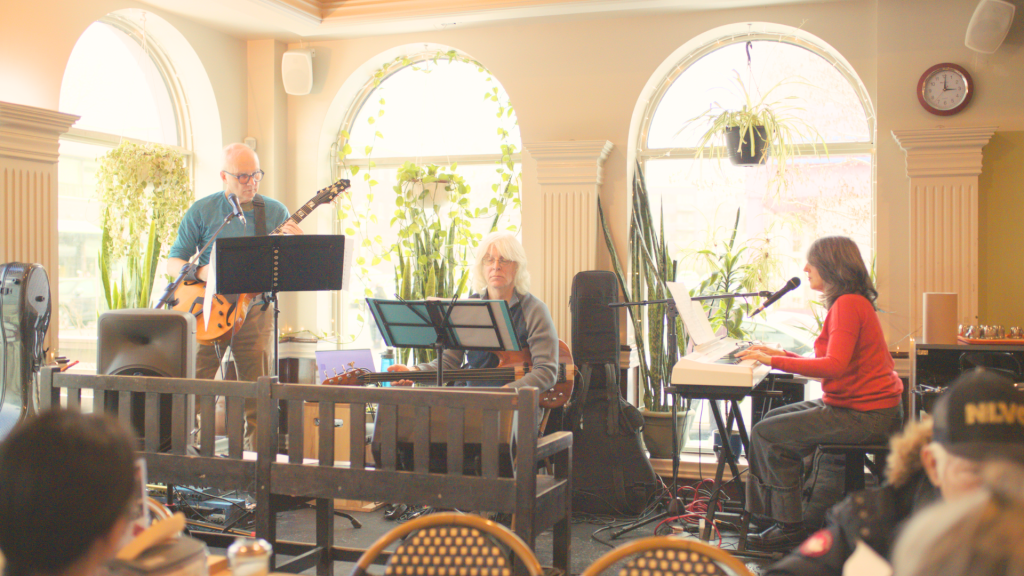
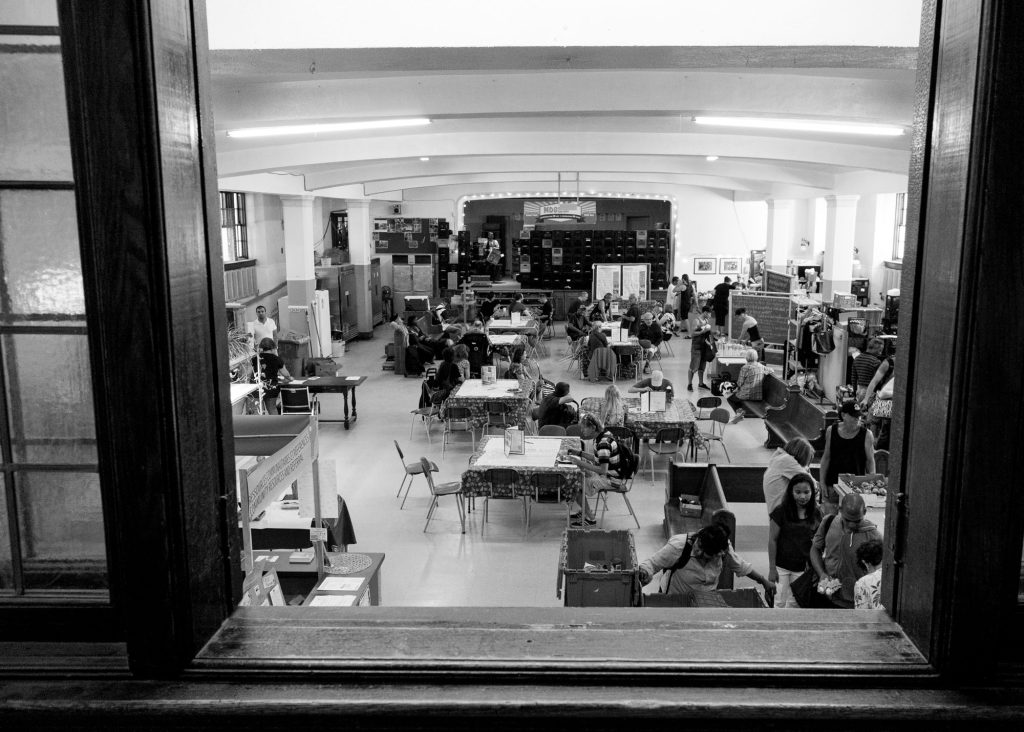
On meal days, the kitchen transformed into a bustling cafeteria-style space, with participants moving through, greeted by volunteers and staff, receiving their meal, before settling into the dining hall, where conversations stretched across tables, and live music drifted through the space.
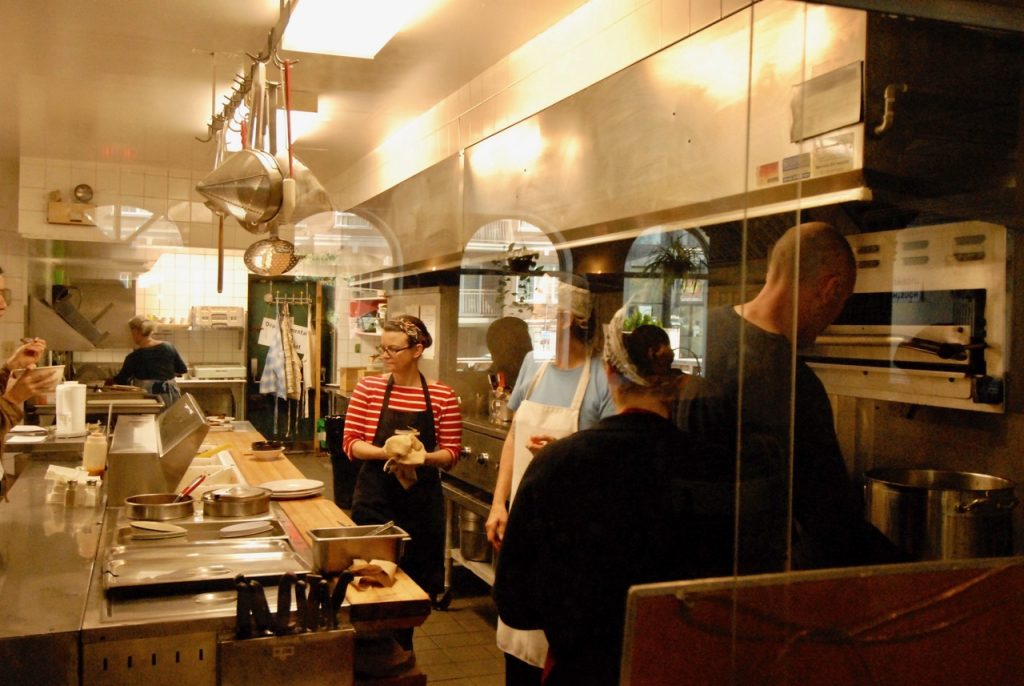
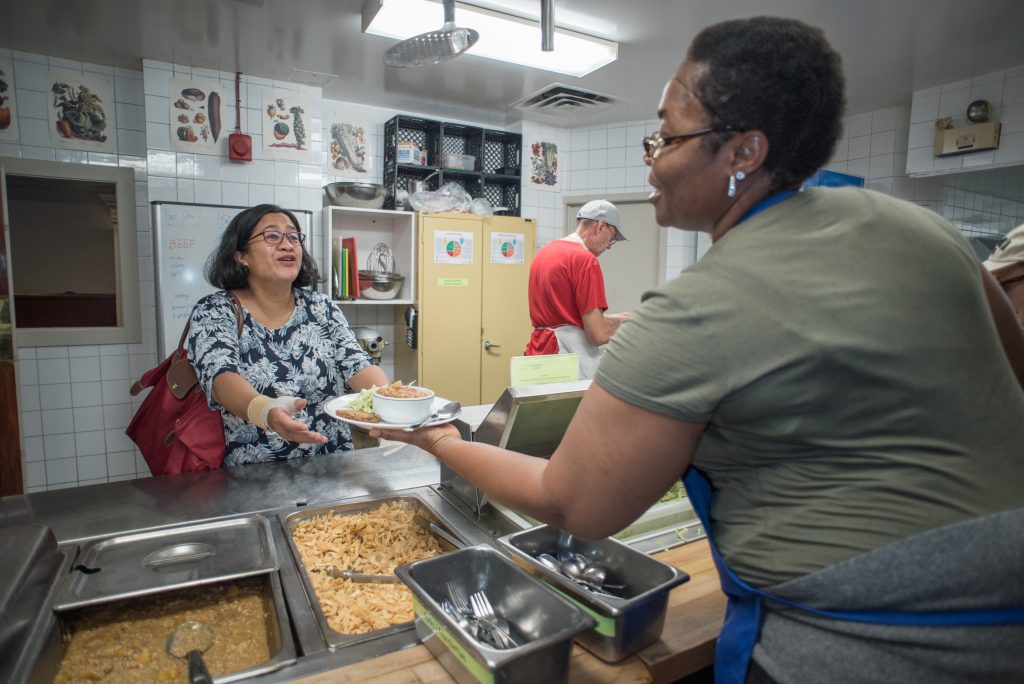
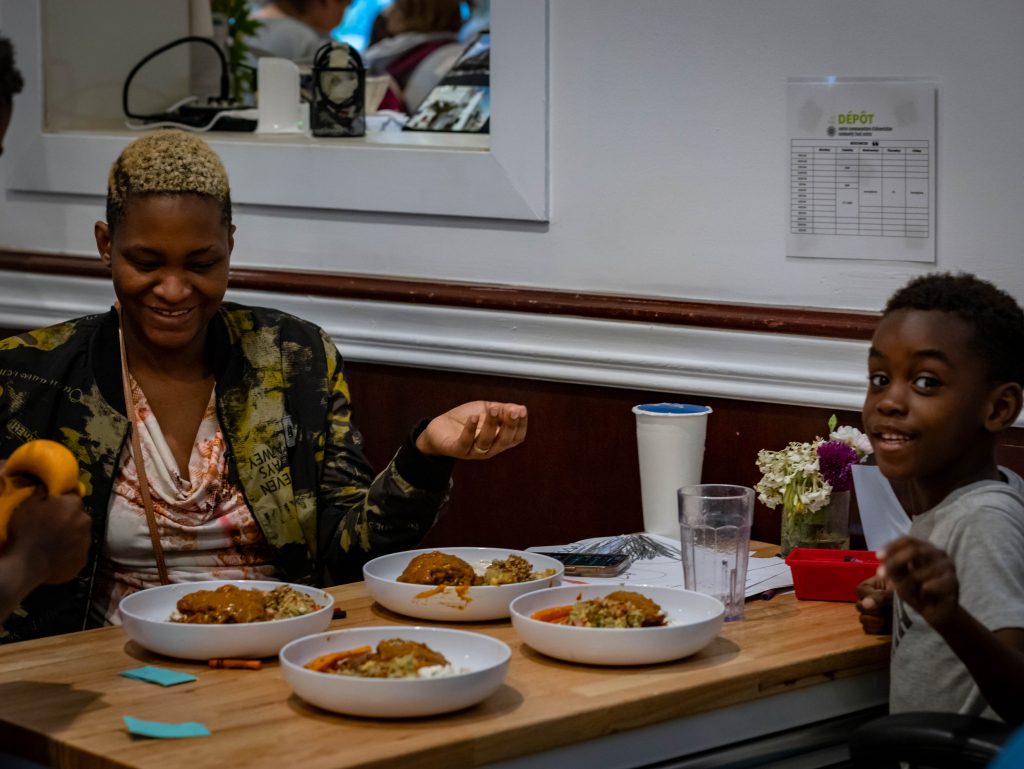
Meals were still served alongside the food bank, but the relationship between the two programs was beginning to evolve. As food baskets became more intentional and began including a wider variety of fresh ingredients, the Resto offered people a chance to experience those foods prepared and shared in community.
More and more people began coming not only for the food bank, but for the Resto itself.
DEEPENING DIGNITY AFTER COVID
Then came 2020.
Like so many community organizations, we had to pause the parts of our work centered on gathering together. Shared tables were replaced with emergency meal delivery as volunteers and staff adapted quickly to meet growing needs across the community.
When the Resto reopened, the space carried a different rhythm. To respect distancing regulations, volunteers began serving meals directly to tables rather than having participants move through line-ups in the kitchen. But over time, we realized there was something meaningful in that restaurant-style experience — an added sense of dignity, care, and hospitality.
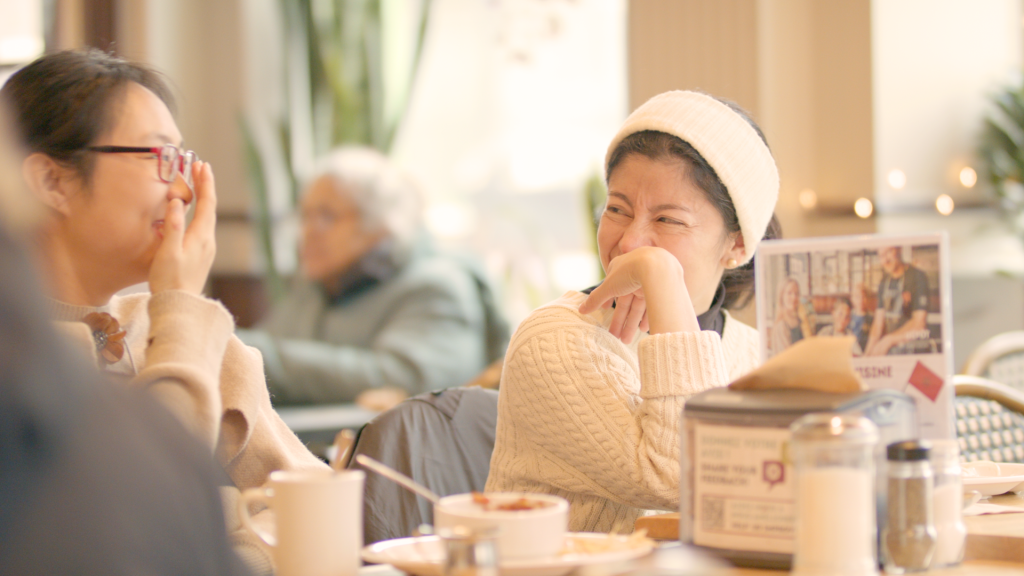
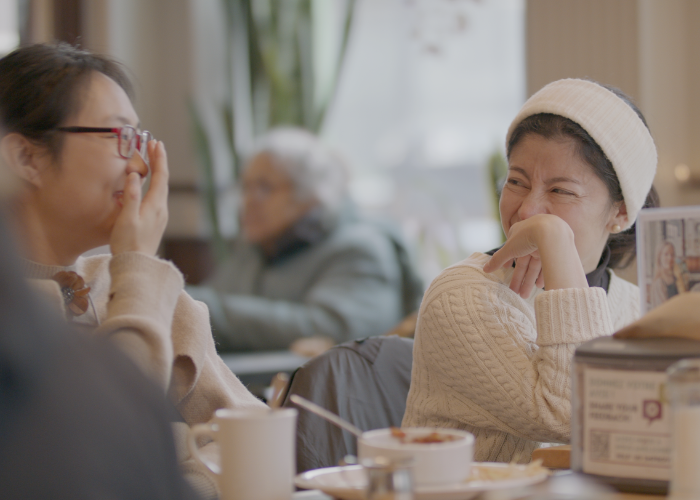
Even after distancing measures ended, the table service remained. The long communal tables returned, bringing conversation and connection back into the room, while volunteers continued weaving between tables serving meals, coffee, and conversation.
In many ways, it brought us back to the questions that first inspired the meal program years earlier: how can food support create not only nourishment, but connection? How can a meal become a reason for people to gather, share stories, and feel welcomed?
Those questions continue to guide the Resto Depot today. Because food is never only about food — it is also dignity, care, and community.